Gousto food delivery

We often think of food in terms of weight, energy, or physical health. But what we eat also deeply affects our emotions. New research shows a strong link between chronic inflammation and mental health issues like anxiety, depression, and mood swings. That’s where anti-inflammatory diets come in.

By reducing inflammation in the body, these diets may support better mood, clearer thinking, and greater emotional balance. The idea is simple: when your body feels better, your mind does too.

Let’s explore how inflammation affects emotional health—and how eating anti-inflammatory foods can help.

What Is Inflammation?

Inflammation is the body’s natural response to injury, infection, or stress. In small amounts, it’s helpful. It helps you heal cuts, fight off colds, and recover from stress.

But when inflammation becomes chronic—meaning it stays active for a long time—it can damage tissues, organs, and even your brain. This low-grade, long-term inflammation often comes from poor diet, stress, lack of sleep, or sedentary lifestyle.

Chronic inflammation is now linked to many health issues, including:

  • Heart disease

  • Type 2 diabetes

  • Autoimmune disorders

  • Depression and anxiety

How Inflammation Affects the Brain

The connection between gut health and brain health is getting more attention from scientists. Researchers call it the gut-brain axis. This is the communication line between your digestive system and your brain.

When you eat processed foods, high sugar, or trans fats, it can cause inflammation in your gut. This, in turn, may increase levels of cytokines—chemicals that trigger inflammation. High cytokine levels are linked to higher risk of depression, fatigue, and brain fog.

A study published in JAMA Psychiatry found that people with major depression had significantly higher levels of inflammation markers in their blood, especially C-reactive protein (CRP) (Osimo et al., 2019).

Inflammation may disrupt how your brain produces serotonin, dopamine, and other feel-good chemicals. This can make you feel tired, irritable, unmotivated, or emotionally unstable.

What Is an Anti-Inflammatory Diet?

An anti-inflammatory diet includes foods that help lower inflammation in the body and avoid foods that make it worse. It’s not a strict diet—it’s a flexible, whole-food-based way of eating that focuses on balance.

Common Foods in an Anti-Inflammatory Diet:

  • Fruits and vegetables (especially leafy greens, berries, broccoli)

  • Whole grains (like brown rice, oats, quinoa)

  • Fatty fish (salmon, sardines, mackerel)

  • Nuts and seeds (walnuts, chia, flax)

  • Olive oil

  • Spices (like turmeric and ginger)

  • Green tea

Foods to Limit or Avoid:

  • Processed and fried foods

  • Refined sugars and carbs

  • Red and processed meats

  • Soda and sugary drinks

  • Trans fats and hydrogenated oils

These unhealthy foods can increase inflammation, affect blood sugar levels, and disrupt mood-regulating hormones.

Emotional Benefits of an Anti-Inflammatory Diet

1. Improves Mood and Reduces Depression

Multiple studies show that people who follow anti-inflammatory diets—like the Mediterranean or DASH diets—have lower rates of depression.

A 2019 meta-analysis published in Molecular Psychiatry found that people who ate a healthy, anti-inflammatory diet had a 33% lower risk of depression compared to those with poor diets (Lassale et al., 2019).

Foods rich in omega-3 fatty acids, fiber, and antioxidants help protect brain cells and support the production of neurotransmitters that regulate mood.

2. Reduces Anxiety Symptoms

Anti-inflammatory foods support gut health, which is closely tied to anxiety. Around 90% of serotonin—a chemical that regulates mood—is produced in the gut.

A study in Psychiatry Research showed that people who followed anti-inflammatory eating patterns had fewer anxiety symptoms, especially when they ate fermented foods and high-fiber vegetables (Gibson et al., 2020).

3. Supports Stable Energy and Focus

Inflammation affects how efficiently your brain uses energy. High inflammation can make you feel mentally foggy, tired, or emotionally unstable.

Whole, nutrient-rich foods support steady blood sugar levels, helping you avoid mood swings, fatigue, or crashes throughout the day.

Simple Tips to Start an Anti-Inflammatory Diet

You don’t need to overhaul your entire diet overnight. Small changes can make a big difference.

1. Add Color to Your Plate

Aim to fill half your plate with colorful fruits and vegetables. The more color, the more antioxidants you’re getting.

2. Swap Your Fats

Use olive oil or avocado oil instead of vegetable oil or butter. Add nuts, seeds, and fatty fish a few times per week.

3. Cut Back on Sugar

Limit sugary drinks, snacks, and baked goods. Choose fruit, dark chocolate, or yogurt with berries as sweet alternatives.

4. Choose Whole Grains

Switch white rice or bread for whole grain options like oats, brown rice, or whole wheat bread. These keep your blood sugar steady.

5. Drink More Water and Green Tea

Green tea contains polyphenols, which reduce inflammation and support brain health. Stay hydrated to support digestion and mental clarity.

A Sample Anti-Inflammatory Day for Emotional Wellness

Here’s what a day of anti-inflammatory eating might look like:

Breakfast:
Oatmeal with blueberries, chia seeds, and a drizzle of honey
Green tea or herbal tea

Lunch:
Grilled salmon or chickpea salad with leafy greens, olive oil, avocado, and cherry tomatoes
Whole grain bread on the side

Snack:
Handful of walnuts or yogurt with flaxseed and berries

Dinner:
Stir-fried vegetables with tofu or turkey
Brown rice with turmeric
Steamed broccoli with garlic and olive oil

Evening:
Chamomile tea and a piece of dark chocolate (70% or higher)

Final Thoughts

Food is more than fuel—it’s information for your body and brain. An anti-inflammatory diet doesn’t just help with physical health—it offers real, lasting support for emotional balance, clarity, and resilience.

If you struggle with anxiety, mood swings, or low energy, consider how your meals may be affecting your mind. By making small, nourishing changes, you can start to calm your body—and create space for a more stable, peaceful emotional life.

Remember, emotional wellness doesn’t come from restriction or perfection. It comes from consistency, care, and kindness—one meal at a time.

Follow:

There comes a time in every single mother’s life when the stars align in a way so rare, so unexpected, that you don’t really believe it’s happening until you’re three episodes deep into And Just Like That and you realise no one has asked you to find anything in over four hours.

My daughter Belle is away for the week with my sister and my dog Mako is on a sleepover at my mum’s – no doubt being hand-fed ham off the bone and having the time of her little furry life. Which means, dear reader, I have the entire house to myself.

I KNOW.

I considered going out, doing something wild like having a social life, but honestly, the only thing I really wanted to do was sit on the sofa, bra-less, watching Carrie Bradshaw make terrible decisions, and eat snacks. So imagine my joy – my delight – when the Indulge snack box from Wellboxes turned up at my door like a cardboard treasure chest of happiness.

Let me tell you, this is not just a snack box. This is a curated experience. It’s the kind of snack selection that says, “We know you haven’t been alone in your house since 2007 and we’re here for you.”

Inside was an assortment of sweet and savoury joy: posh popcorn (aka not the kind that smells like feet in the office microwave), fancy chocolate that you pretend to savour but actually inhale in one sitting, and even a couple of drinks to wash it all down like the classy hermit queen you are.

I spread the contents out on my coffee table like I was about to do some kind of fancy Instagram photoshoot (I wasn’t), and then proceeded to completely forget to take a photo and just eat everything while watching Charlotte try to navigate parenting two teenagers like she hasn’t clearly got a full-time team of nannies off-screen.

The popcorn was that sweet and salty combo that tricks you into thinking it’s healthy. The chocolate? Dangerous. The good kind of dangerous. The kind that makes you consider hiding the wrapper under something else in the bin so no one judges you. (Not that anyone’s here. But still.)

By the time I got to episode five and started wondering how Miranda went from iconic lawyer to giggling mess in a beanie, I’d already decided I might order another box next week just to recreate the vibe.

Because let’s be honest – this wasn’t just a snack box. It was a statement. A moment of calm. A tiny rebellion against adulthood and laundry and the relentless daily question of “what’s for dinner?” It was me time, in its crunchiest, crumbliest, most chocolate-smudged form.

So if you, too, ever find yourself in the miraculous position of being home alone – no kids, no pets, no one asking you where their other black hoodie is – do yourself a favour. Forget the socialising. Get the snacks. Put your phone on Do Not Disturb and let the chaos of fictional New York wash over you.

You deserve it.

I was gifted this snack box for the purposes of this review

Follow:

Food choices reflect culture and community values. What we eat tells a story about our heritage and beliefs, illustrating how food choices reflect culture and community values. This article explores the deep connection between our meals and our identity.

Cultural Identity and the Significance of Food Choices

Food choices are a powerful expression of cultural identity, shaping individual identities while connecting them to broader cultural contexts. They are more than mere preferences or habits; they are deeply embedded in the cultural fabric and societal norms of various communities. Recognizing the cultural importance of food choices helps promote equitable food systems and culinary diversity.

Food significantly shapes culture, influencing well-being and reflecting heritage. For instance, distinct cuisines, cooking techniques, and dining practices are often directly linked to a community’s history and values. These practices serve as a living testament to a culture’s evolution, showcasing how culinary traditions have adapted and thrived over time, shaping cultures.

Shared food practices strengthen cultural values and norms while nurturing a sense of community. In many cultures, communal meals are not just about eating; they are about reinforcing social bonds and shared values. These gatherings provide a platform for cultural exchange and understanding, allowing people to connect on a deeper level through the universal language of food.

Cultural influences result in varied eating habits, preparation methods, and dietary restrictions. For example, the dietary laws in certain religions dictate what can and cannot be consumed, reflecting broader cultural beliefs and values. These food rules are deeply rooted in the cultural background and historical context of the community.

Key aspects of food choices and cultural identity include:

  • Expression of cultural values and individual identity
  • The connection between cultural heritage, social context, and personal preferences
  • Promotion of culinary diversity and equitable food systems

Food as a Reflection of Heritage

National dishes often serve as a powerful symbol of cultural identity, representing the most significant culinary elements associated with a country. These dishes are not just recipes; they are a connection to the past, embodying the collective history and values of a community. Take, for example, Mexican cuisine, which is rich with flavors and techniques passed down through generations, each dish telling a story of the nation’s heritage.

Food serves as a means of expression and connection across generations, playing a crucial role in cultural identity. The preparation and sharing of traditional foods foster a sense of belonging and community among individuals. These culinary traditions are often celebrated during festivals and family gatherings, where food customs play a key role in significant life events, strengthening communal bonds.

Traditional diets are typically healthy food due to their reliance on fresh, locally sourced ingredients and age-old preparation techniques. These diets not only promote physical health but also reflect a community’s relationship with its natural environment. For instance, certain staple foods in various cultures are often those that are readily available and sustainable within that region, including particular foods, and such foods are a testament to this principle.

Cultural food practices promote understanding and appreciation of diverse cuisines and ways of life, bridging different cultures and other cultures. By exploring and respecting different food cultures, we can foster cultural exchange and mutual respect. This culinary diversity enriches our dining experiences and broadens our understanding of the world.

Important points about food and heritage:

  • National dishes symbolize cultural identity and history
  • Traditional foods foster belonging and community bonds
  • Reliance on local, sustainable ingredients supports health and the environment
  • Culinary diversity encourages cultural exchange and respect

Daily Food Choices and Cultural Values

Cultural beliefs significantly shape the dietary habits of individuals, influencing not only what they eat but also when and how they eat. These food practices and cultural practices are deeply ingrained in everyday life and reflect the broader cultural values of a community. In many cultures, mealtime and meal patterns are social events that foster family connections and strengthen community ties.

Understanding the traditional eating patterns of various cultures is essential for effective nutrition education and patient care. Health professionals must be culturally aware of their patients’ dietary practices to provide appropriate nutritional guidance. Cultural sensitivity ensures that dietary recommendations respect cultural norms and are more likely to be followed.

Health consciousness is also a significant factor in shaping daily food choices. The rise of plant-based diets, for example, reflects a growing awareness of health promotion and environmental adaptation. These dietary changes and dietary change are not just about personal better health but also about aligning food choices with broader cultural values of sustainability, healthy eating, compassion, and public health.

Food availability and socioeconomic status play crucial roles in shaping daily food choices among various population groups. In many communities, certain foods are preferred because they are more accessible and affordable. This highlights the importance of considering cultural context, power dynamics, social class, and social groups in discussions of food habits and dietary interventions.

Summary of daily food choices and cultural values:

  • Dietary habits are influenced by cultural beliefs and social events
  • Importance of cultural sensitivity in nutrition education
  • Health consciousness is driving shifts like plant-based diets
  • Food availability and socioeconomic status impact choices
  • Consideration of social factors in dietary interventions

Food Movements and Community Support

Food insecurity can disrupt traditional culinary practices and cultural continuity. At the same time, growing food movements are working to reverse this issue and support community well-being.

Efforts such as food donation and food rescue help reduce waste and direct resources to those in need. In Singapore, FFTH is a Singaporean IPC Charity that plays a vital role in alleviating food insecurity while respecting cultural food preferences. Their initiatives reflect how charitable food efforts can support dignity and inclusivity.

Government and NGO initiatives further bolster food redistribution and reduce liability for donors, encouraging greater participation from businesses. Culturally specific food pantries are also emerging, aiming to preserve heritage while addressing hunger.

Local support is crucial. Grassroots efforts and community kitchens foster empathy, shared responsibility, and deeper cultural respect.

Highlights of food movements and community support:

  • Food insecurity challenges cultural culinary practices
  • Food donation and rescue organizations redistribute surplus food
  • Government policies encourage food donation participation
  • Culturally specific foods in food banks preserve heritage
  • Community engagement fosters inclusivity and shared responsibility

Ethical Considerations in Food Choices

Food ethics is now central to many consumers’ decisions. Sustainability, fair trade, animal welfare, and ingredient transparency are guiding modern diets. Choosing organic or locally sourced food often reflects a deeper desire to reduce environmental impact.

Regenerative agriculture is one such example, an approach focused on restoring soil health and improving biodiversity. These practices reflect a long-term commitment to both planetary and human well-being.

As processed foods face increased scrutiny, there’s a growing demand for more natural alternatives. Products like natural chocolate reflect a consumer preference for clean-label ingredients and thoughtful sourcing. These choices represent a broader cultural shift toward conscious consumption.

Such ethical food decisions are not just about the individual. They mirror society’s shifting values toward health, compassion, and a more just food system.

Key ethical considerations in food choices:

  • Emphasis on sustainability and environmental impact
  • Adoption of regenerative agricultural practices
  • Preference for plant-based and clean-label foods
  • Growing concern for animal welfare and cruelty-free options
  • Cultural shift towards mindful and responsible consumption

Food Trends and Cultural Shifts

Today’s food trends increasingly reflect global values and local traditions. One key shift is the “glocal” movement supporting local agriculture while embracing international flavors.

The influence of media and travel has also accelerated fusion cuisine, which creatively blends elements from different food cultures. Restaurants like Fortuna embody this trend, showcasing how global culinary influences can blend seamlessly with regional sensibilities to create something truly original.

Consumers are also prioritizing transparency and purpose. From plant-based innovations to eco-conscious packaging, food choices today are tied to larger cultural conversations.

As an example, the demand for natural chocolate speaks to a desire for indulgence without compromise, celebrating flavor while aligning with health and sustainability values.

These changes suggest that our food culture is in constant evolution, shaped by shifting values and consumer priorities.

Reflecting Identity Through Food Choices

Every food choice you make is a reflection of your personal identity and beliefs, including your social identity. From the ingredients you choose to the way you prepare your meals, your food choices tell a story about who you are and what you value. This reflective process can be both personal and communal, as your food choices also influence and are influenced by the community around you.

Consider what your food choices say about you. This encourages deep reflection on the values and beliefs guiding your eating habits. Are you choosing foods that reflect your cultural heritage, support sustainability, or promote health and well-being?

Being intentional in your food decisions can have a profound impact on your personal and communal well-being. By making mindful food choices, you can contribute to a more sustainable and compassionate food system, support local producers, and preserve cultural traditions.

Reflecting on your food choices fosters a deeper connection to your cultural identity and heritage. By embracing traditional food practices and exploring new culinary traditions, you can celebrate the diversity of food cultures and promote cultural understanding and exchange.

Your food choices are a powerful tool for expressing your identity food choices and values. By being intentional and mindful about what you eat, you can make a positive impact on your health, community, and the environment. So, what do your food choices say about you?

Frequently Asked Questions

How do food choices reflect cultural identity?

Food choices serve as a profound expression of cultural identity, as they highlight unique cuisines, cooking methods, and dining customs that are intertwined with a community’s heritage and beliefs. This connection underscores how culinary practices can convey a sense of belonging and tradition.

How does food reflect cultural heritage?

Food serves as a vital expression of cultural heritage, as traditional dishes and culinary customs embody the shared history and values of a community. Therefore, it offers insight into the distinct identities and traditions of different cultures.

How do daily food choices align with cultural values?

Daily food choices significantly reflect cultural values and norms, as they are shaped by beliefs, social contexts, and socioeconomic factors. This alignment underscores the importance of food as a cultural expression and identity.

What role do food movements play in supporting community values?

Food movements play a crucial role in addressing food insecurity, promoting culturally specific foods, and fostering community engagement and support. This reinforces the values of inclusivity and cooperation within the community.

Why are ethical considerations important in food choices?

Ethical considerations in food choices are vital as they address sustainability and animal welfare, aligning with cultural values of health and environmental responsibility. Making informed food choices can contribute positively to these urgent global issues.

 

Follow:

The relationship between flavor and heat is… complicated. Ask anyone who enjoys spicy food and you’ll hear some version of this: I like heat, but not so much that I can’t taste anything else. That sentiment, echoed by home cooks and hot sauce collectors alike, points to a quiet but significant shift in how we’re approaching spice.

This isn’t about dulling things down. It’s about balance, nuance, and the idea that fire doesn’t need to dominate every dish. So what does it mean to chase big flavor, without being knocked out by overwhelming heat?

Let’s dig in.

Why spice got a bad rap

There’s an unfortunate stereotype around spice—the one that treats it like a dare. Some sauces have earned notoriety not for their flavor, but for their ability to cause physical distress. You know the ones: eye-watering, lip-burning, what-have-I-done kinds of heat bombs that double as party tricks.

That spectacle is fine, maybe even fun, but it’s not really cooking. It’s heat for heat’s sake. And when the goal is simply to endure, not enjoy, it doesn’t leave much room for appreciating the subtle notes behind the spice. It’s like turning your amp up to 11 and then wondering why you can’t hear the melody.

So it’s no surprise that some people shy away from anything labelled “hot,” assuming it’ll be all pain, no payoff. But lately, a different kind of sauce is getting attention. One that prioritizes complexity over combustion.

Where flavor and heat meet

Spice, when done right, should enhance—not erase. And the best sauces understand that. They’re built with intention. Acidity to brighten, sweetness to round things out, and just enough heat to keep things interesting.

This is where flavour-first sauces for spice fans come in. Instead of pushing your limits, they pull you in. Think fermented chilies layered with garlic and miso, or habanero heat softened with mango and lime. The burn is still there, but it arrives like a supporting actor—not the whole show.

Interestingly, this flavour-forward approach isn’t just a niche foodie trend. It’s creeping into mainstream cooking, popping up on restaurant menus and home pantry shelves alike. Part of the reason? People are tired of choosing between bland and brutal. They want sauce that makes food better, not unbearable.

What makes a sauce “good” now?

Good is subjective, of course, but a few things stand out.

First: balance. The best sauces hit that sweet spot between acidity, salt, heat, and umami. They wake up your palate without overwhelming it. They work with food, not against it.

Second: versatility. A sauce that only works on wings is fine. A sauce that elevates everything from scrambled eggs to roast cauliflower to noodles? That’s gold. Bonus points if it doesn’t require a gallon of milk to recover from.

Third: story. Not marketing fluff, but a genuine sense of care in how the sauce is made. Small-batch production, real ingredients, maybe even a bit of regional influence. It’s not about chasing trends—it’s about crafting something worth returning to.

And while some brands still lean into novelty heat levels, more and more are moving toward depth. Because in the end, even the most adventurous eaters come back to what tastes good.

How to build tolerance without losing taste

For those looking to up their heat game without sacrificing flavor, a gradual approach works best.

Start with sauces that list ingredients you already enjoy—fruit-forward, smoky, or tangy bases. Check where the chili lands in the mix: is it the first ingredient, or does it play a background role? From there, experiment. Add small amounts to dishes you know well. Pay attention not just to the heat level, but the flavor profile. Does it complement or clash?

You might also try mixing sauces—something milder as a base, with a dash of something punchier on top. It’s a way to tailor intensity without compromising on taste. Think of it like seasoning to preference.

This is how spice stops being a test and starts being a tool.

Final thoughts on flavor over fire

There’s a growing appetite for complexity in heat. Not just in sauces, but in how we talk about spice in general. And that’s good news for eaters everywhere.

Because the best meals don’t try to hurt you—they try to impress you. They linger. They evolve. They invite you in, then give you just enough kick to keep things interesting.

So yes, you absolutely can get big flavor without overwhelming heat. In fact, that’s where the most exciting stuff is happening right now. Not in the extremes, but in the balance.

In the end, flavor wins. And sometimes, the hottest take is the one that lets you taste everything.


Follow:

If you’re at a loss for how to entertain the family this weekend, aside from gorging on chocolate, then I have three words for you.

Creme Egg Calzone.

Okay, so that technically is also gorging yourself on chocolate, but it is chocolate wrapped in pizza dough, so it’s sort of different? Only not really.

On Tuesday this week, I took Belle and my Mum to Prezzo in Bridgwater to try out some of the treats on their Easter menu. I grew up in Bridgwater and so there’s a huge amount of nostalgia for me in sitting in the Bridgwater Prezzo, looking out onto the town centre, remembering when my friend Nicky used to have a Saturday job in Bewise and when Marks and Spencer dominated Fore Street. Bridgwater still mourns the loss of that M&S, decades later.

Anyway, we were in Prezzo, it was raining, but we were cosy and ready to eat a LOT of carbs. Honestly, we ate so many carbs. I would like to say it was work because of writing this, and that was why we ordered both truffle fries and carbonara fries as sides, but I think we both know that would just be an excuse. (Carbonara fries, in case you are wondering, are as good as they sound.)

We were welcomed very warmly indeed, and could not have been better looked after. Everything came quickly, there were no mistakes, it was all round a very solid 10/10. The food was delicious – particularly my pea and goat’s cheese ravioli. I’m an absolute fiend for peas and will die on the cross of proclaiming them our most underrated vegetable.

Starters, main courses, blah blah blah. We know what we’re all here for don’t we?

Creme Egg Calzone.

The Creme Egg Calzone is exactly what you imagine it to be – a whole creme egg wrapped up in pizza dough and baked, so that when you cut into it, (or bite into it, depending on who is watching), both the chocolate and the filling are warm and oozy. It’s served with ice cream and sprinkled with chocolate flake and is only a fiver, which is an absolute bargain.

I will tell you now that I feel like I could happily eat a Creme Egg Calzone everyday for the rest of my life, and I don’t say that lightly. When you think about it, what’s not to love? Melty Creme Egg? Tick. Hot pizza dough? Hell yes. BOTH AT THE SAME TIME? I don’t mind if I do.

If you are a dessert person, you will be interested to know that Prezzo also have a fun rock, paper, scissors game going with their puddings – one person gets to challenge your server, and if they can win the game, they win 2 for 1 desserts for your whole table! Isn’t that fun?

You know how sometimes you go somewhere and you have no real expectations one way or the other, but you come away smiling happily and keep saying to each other, with an edge of surprise in your voice, ‘that was actually really lovely wasn’t it?’

It was like that. Everything was just NICE. The world felt like a slightly better place when we left.

Prezzo have some great offers this Easter, including a £20 set menu and a ‘kids eat free’ offer until April 27th. Find out more here.

Follow:

In today’s fast-paced world, the convenience of processed foods often overshadows the benefits of whole foods. With the rise of health issues linked to poor diet, many are beginning to recognise the importance of making more informed choices about what they consume. Transitioning to a diet rich in whole foods not only promotes physical health but also supports mental well-being and can aid in processes such as drug addiction rehab treatment. As individuals seek to improve their overall health, understanding the advantages of whole foods becomes increasingly crucial.

Understanding Whole Foods vs. Processed Foods

Whole foods are those that are minimally processed and are as close to their natural state as possible. This includes fruits, vegetables, whole grains, nuts, seeds, and legumes. In contrast, processed foods often contain added sugars, unhealthy fats, preservatives, and artificial ingredients that can detract from their nutritional value. While processed foods may offer convenience, they often come at the cost of our health.

Switching to whole foods can significantly reduce the intake of harmful additives and chemicals. This shift is particularly beneficial for individuals looking to detox from substances such as alcohol. A diet rich in whole foods can help restore balance to the body, providing essential nutrients that support liver function and overall recovery.

Nutritional Benefits of Whole Foods

One of the most compelling reasons to switch to whole foods is their superior nutritional profile. Whole foods are packed with vitamins, minerals, and antioxidants that are essential for maintaining good health. For instance, fruits and vegetables are rich in fibre, which aids digestion and helps regulate blood sugar levels. Whole grains provide complex carbohydrates that offer sustained energy, whereas processed grains often lack these crucial nutrients.

Moreover, whole foods tend to be lower in calories compared to their processed counterparts. This makes them an excellent choice for individuals looking to maintain a healthy weight or manage obesity-related issues. By focusing on whole foods, individuals can enjoy larger portions of nutrient-dense foods without the risk of excessive calorie intake.

Mental Health and Whole Foods

The impact of diet on mental health is becoming increasingly recognised. Whole foods can play a significant role in improving mood and cognitive function. Nutrient-rich foods contribute to the production of neurotransmitters, which are essential for regulating mood. For example, omega-3 fatty acids found in nuts and seeds have been linked to reduced symptoms of depression and anxiety.

In contrast, processed foods often contain high levels of sugar and unhealthy fats, which can lead to mood swings and increased anxiety. By making the switch to whole foods, individuals can create a more stable emotional environment, which is particularly beneficial for those recovering from substance abuse, including alcohol detox. A balanced diet can help mitigate withdrawal symptoms and promote emotional stability during this challenging time.

Environmental Impact

Switching to whole foods is not only beneficial for personal health but also for the environment. The production of processed foods often involves extensive use of resources, including water, energy, and land. Additionally, the manufacturing process contributes to pollution and waste. In contrast, whole foods, particularly those sourced from local farms, tend to have a lower environmental footprint.

By choosing whole foods, individuals can support sustainable farming practices and reduce their carbon footprint. This shift not only benefits personal health but also contributes to a healthier planet for future generations. As consumers become more aware of the environmental impact of their choices, the demand for whole foods is likely to increase, encouraging more sustainable practices within the food industry.

Practical Tips for Transitioning to Whole Foods

Transitioning to a whole foods diet may seem daunting, but it can be achieved gradually. Here are some practical tips to help ease the transition:

Start Small: Begin by incorporating more fruits and vegetables into your meals. Aim for at least five servings a day.

Read Labels: When purchasing packaged foods, read labels carefully. Choose products with minimal ingredients and avoid those with artificial additives.

Cook at Home: Preparing meals at home allows you to control the ingredients and avoid processed foods. Experiment with whole food recipes to discover new flavours.

Plan Your Meals: Meal planning can help you stay on track and ensure you have healthy options readily available.

Stay Hydrated: Drink plenty of water and consider herbal teas as alternatives to sugary beverages.

Seek Support: Join communities or groups that focus on whole foods and healthy eating. Sharing experiences can provide motivation and inspiration.

Switching to whole foods offers numerous benefits that extend beyond individual health. By making informed dietary choices, individuals can improve their physical and mental well-being while also contributing to a more sustainable future. As more people recognise the importance of whole foods, the potential for a healthier society increases. Whether you are looking to detox from alcohol or simply improve your overall health, embracing whole foods is a powerful step towards a brighter future. By prioritising nutrition and sustainability, we can pave the way for healthier generations to come.


Follow:

A 50-year-old single malt whisky represents the pinnacle of whisky-making tradition. Steeped in history, patience, and unparalleled skill, these whiskies captivate enthusiasts and collectors alike. Beyond its taste, each bottle holds within it decades of craftsmanship and the stories of those who have perfected the art. But what makes this rare spirit truly exceptional?

The Art of Time

The creation of a 50-year-old single malt whisky requires an extraordinary amount of patience. Time becomes an ingredient as crucial as the barley or the water sourced from ancient springs. Every decade that passes allows the whisky to evolve and transform, gaining depth, character, and complexity. The journey from raw spirit to liquid gold is one only a few whiskies undertake. The result is a drink of rare finesse, where the distiller’s mastery can be tasted in each sip.

Craftsmanship Through Generations

Crafting a whisky that matures for half a century requires skill passed down through generations. Distillers often follow traditional methods, with subtle innovations added to refine the process. The blend of old-world expertise and modern precision makes these whiskies unique. The casks in which the whisky matures play a vital role, as the wood’s interaction with the spirit over the years enhances the richness of the flavor. Understanding how the wood, air, and climate affect each barrel is essential for producing a product worthy of its 50-year label.

At lochlomondwhiskies.com, this commitment to tradition is seen in every stage of production. The distillery carefully monitors its aging whiskies, ensuring that only the best casks are selected for extended maturation. Each bottle tells a story of dedication and precision.

What Makes 50-Year-Old Whisky So Rare?

Few whiskies make it to the 50-year mark. The rarity of these bottles stems from a combination of factors: the significant amount of evaporation (known as the “angel’s share”) during aging, the challenge of keeping the whisky palatable for decades, and the financial commitment required to store it for such an extended period. Each year, a fraction of the whisky inside the cask evaporates into the air, leaving behind a more concentrated and complex spirit. However, too much evaporation can spoil the whisky, making it unsuitable for bottling. The delicate balance between maturation and evaporation is one that distillers must carefully manage.

Additionally, the longer a whisky is left to age, the more unpredictable the result. Not every barrel will produce a whisky worthy of the 50-year label, and many are discarded along the way. Only the finest casks survive this lengthy process, adding to the scarcity of such bottles.

Distinct Flavors and Aromas

The flavor profile of a 50-year-old single malt whisky stands apart from its younger counterparts. Extended maturation allows for the development of intricate layers of flavor, often featuring notes of dried fruits, spices, honey, and oak. The wood imparts deep, earthy tones, while subtle hints of vanilla and caramel can emerge after years of interaction between the whisky and the cask. Each sip reveals a new dimension, with aromas that evolve as the whisky opens up in the glass.

No two bottles are the same. The unique conditions under which the whisky matures—temperature, humidity, and cask quality—all contribute to the individual character of each batch. This unpredictability is part of what makes 50-year-old single malts so desirable among connoisseurs.

A Collector’s Dream

Owning a bottle of 50-year-old whisky is akin to holding a piece of history. Collectors around the world seek out these rare spirits, not only for their exceptional taste but also for the prestige that comes with them. Each bottle represents the culmination of decades of expertise, dedication, and risk. Whether savored at a special occasion or added to a prized collection, a 50-year-old whisky stands as a testament to the distiller’s art.

Conclusion: The Pinnacle of Whisky Craftsmanship

Creating a 50-year-old single malt whisky is an art form that few distilleries master. It takes the right balance of patience, tradition, and skill to bring forth a spirit of such elegance and complexity. The rarity of these whiskies only adds to their allure, making each bottle a coveted treasure for enthusiasts and collectors alike.

Follow:

As a gamer, you probably spend more time in the gaming room or behind your device's screen than you do sleeping. In all these busy schedules, who has time for cooking? You could be battling the final boss or enjoying your favorite online casino game on Cratos Slots https://cratosslotz.com/, so who does the cooking then?
That’s why most gamers end up ordering online, but are you better off with ready-made meals instead? Both of them are quality options, of course, but let’s discuss their pros and cons to help you decide.

Ready-made Meals

As the name implies, they are ready-made foods that are usually available at supermarkets and grocery stores. They are perfect for gamers because they allow you to keep food in store for as long as possible. They also require minimal effort to prepare because you only need to pop them into the oven, and voila!
However, the major drawback here is that ready-made foods are often linked to some health risks from the preservatives and less nutritional value due to the long storage period. They are ideal for you if you prefer having a meal ready anytime you want.

Pros

  • Easy to prepare, saves time on cooking.
  • Pre-portioned meals help manage calorie intake.
  • Minimal dishes and utensils are required.
  • Generally cheaper than frequent dining out.

Cons

  • Repetitive options can lead to boredom.
  • Ingredients may not taste as fresh as home-cooked meals.
  • Often higher in preservatives and sodium.

Delivery Orders

Delivery orders are meal packages that you order from restaurants and food joints. They are mostly freshly prepared food and snacks that are delivered to you at high speed.
It’s a great option for gamers who love the idea of a fast meal but still prioritize the freshness of the food. They are usually more expensive since you'd have to order on demand and can't make a bulk purchase like ready-made meals.

Pros

  • Access to different cuisines and dishes.
  • Meals arrive ready to eat.
  • Ideal for hosting without cooking.

Cons

  • Costs can add up quickly with fees and tips.
  • Food may arrive cold or soggy.

Bottom Line

As discussed, both ready-made meals and delivery orders can help you sort out food headaches as a gamer. Delivery orders are perfect if you want fresh food and don't mind the wait and extra cost. But you can go for ready-made packages. If you want fast food, you can get it anytime and reduce costs through bulk purchases.
Follow:

Creating a 3-course meal at home is a delightful way to treat yourself and your loved ones to a restaurant-quality dining experience. Not only does it allow you to showcase your culinary skills, but it also provides an opportunity to enjoy a variety of flavors and textures in one sitting. In this article, we’ll guide you through a perfect 3-course meal with a creamy tomato basil soup, herb-crusted salmon with lemon butter sauce, and a decadent chocolate lava cake for dessert.

Appetizer: Creamy Tomato Basil Soup

Ingredients Needed

  • Fresh tomatoes or canned crushed tomatoes (28 oz)
  • 1 large onion, chopped
  • 3 cloves garlic, minced
  • 2 tbsp olive oil
  • 1/2 cup fresh basil leaves, chopped
  • 1 cup heavy cream
  • Salt and pepper to taste

Preparation Instructions

  1. In a large pot, heat olive oil over medium heat. Add chopped onion and sauté until translucent.
  2. Add minced garlic and cook for another minute until fragrant.
  3. Add tomatoes and bring to a simmer. Cook for 20 minutes, stirring occasionally.
  4. Use an immersion blender or transfer to a blender and blend until smooth.
  5. Return to pot, stir in chopped basil and heavy cream. Heat gently until warmed through.
  6. Season with salt and pepper to taste.

Tips for Serving

  • Serve with crusty bread or garlic toast to complement the soup.

Main Course: Herb-Crusted Salmon with Lemon Butter Sauce

Ingredients Needed

  • 4 salmon fillets
  • 1/2 cup fresh parsley, chopped
  • 2 tbsp fresh dill, chopped
  • 1 tbsp fresh thyme, chopped
  • 1/2 cup bread crumbs
  • Zest of 1 lemon
  • 4 tbsp butter, melted
  • Juice of 1 lemon
  • 2 cloves garlic, minced
  • Salt and pepper to taste

Preparation Instructions

  1. Preheat oven to 400°F (200°C). Line a baking sheet with parchment paper.
  2. In a bowl, mix together parsley, dill, thyme, bread crumbs, and lemon zest.
  3. Season salmon fillets with salt and pepper. Press the herb mixture onto the top of each fillet.
  4. Place the salmon on the prepared baking sheet and bake for 15-20 minutes, or until the salmon is cooked through.
  5. Meanwhile, prepare the lemon butter sauce by melting butter in a small saucepan. Add minced garlic and cook until fragrant. Stir in lemon juice and season with salt and pepper.
  6. Drizzle the lemon butter sauce over the baked salmon fillets before serving.

Tips for Cooking

  • Ensure the salmon is cooked through but not overdone. Serve with a side of steamed vegetables or a light salad for a balanced meal.

Dessert: Chocolate Lava Cake

Ingredients Needed

  • 6 oz dark chocolate, chopped
  • 1/2 cup butter
  • 1 cup powdered sugar
  • 2 large eggs
  • 2 large egg yolks
  • 1 tsp vanilla extract
  • 1/2 cup all-purpose flour

Preparation Instructions

  1. Preheat oven to 425°F (220°C). Grease and flour four ramekins.
  2. Melt dark chocolate and butter together in a heatproof bowl over simmering water, stirring until smooth.
  3. In a separate bowl, beat eggs, egg yolks, and powdered sugar until thick and pale. Add vanilla extract.
  4. Fold the chocolate mixture into the egg mixture, then gently fold in the flour until just combined.
  5. Divide the batter evenly among the ramekins. Bake for 12-14 minutes, or until the edges are set but the center is still soft.
  6. Let the cakes cool for a minute before inverting onto plates.

Tips for Perfect Lava Cakes

  • Use high-quality chocolate for the best flavor. Monitor baking time closely to ensure the center stays molten. Serve warm with a large dollop of whipped cream from https://www.nangwizard.net/ for an extra treat.

Conclusion

With these recipes for Creamy Tomato Basil Soup, Herb-Crusted Salmon with Lemon Butter Sauce, and Chocolate Lava Cake, you can create a perfect 3-course meal at home. These dishes are designed to impress and provide a memorable dining experience. Try cooking these recipes for a special occasion or simply to enjoy a gourmet meal at home.

Bonus Tips

Planning and Preparing a 3-Course Meal

  • Timing and Sequencing: Start with the soup, followed by the salmon, and finish with the lava cake to ensure everything is served fresh and hot.
  • Presentation and Plating: Take a few extra minutes to plate your dishes beautifully, enhancing the overall dining experience.
  • Wine Pairings: Consider pairing the meal with a light white wine for the soup and salmon, and a rich red wine or dessert wine for the chocolate lava cake.
Follow:

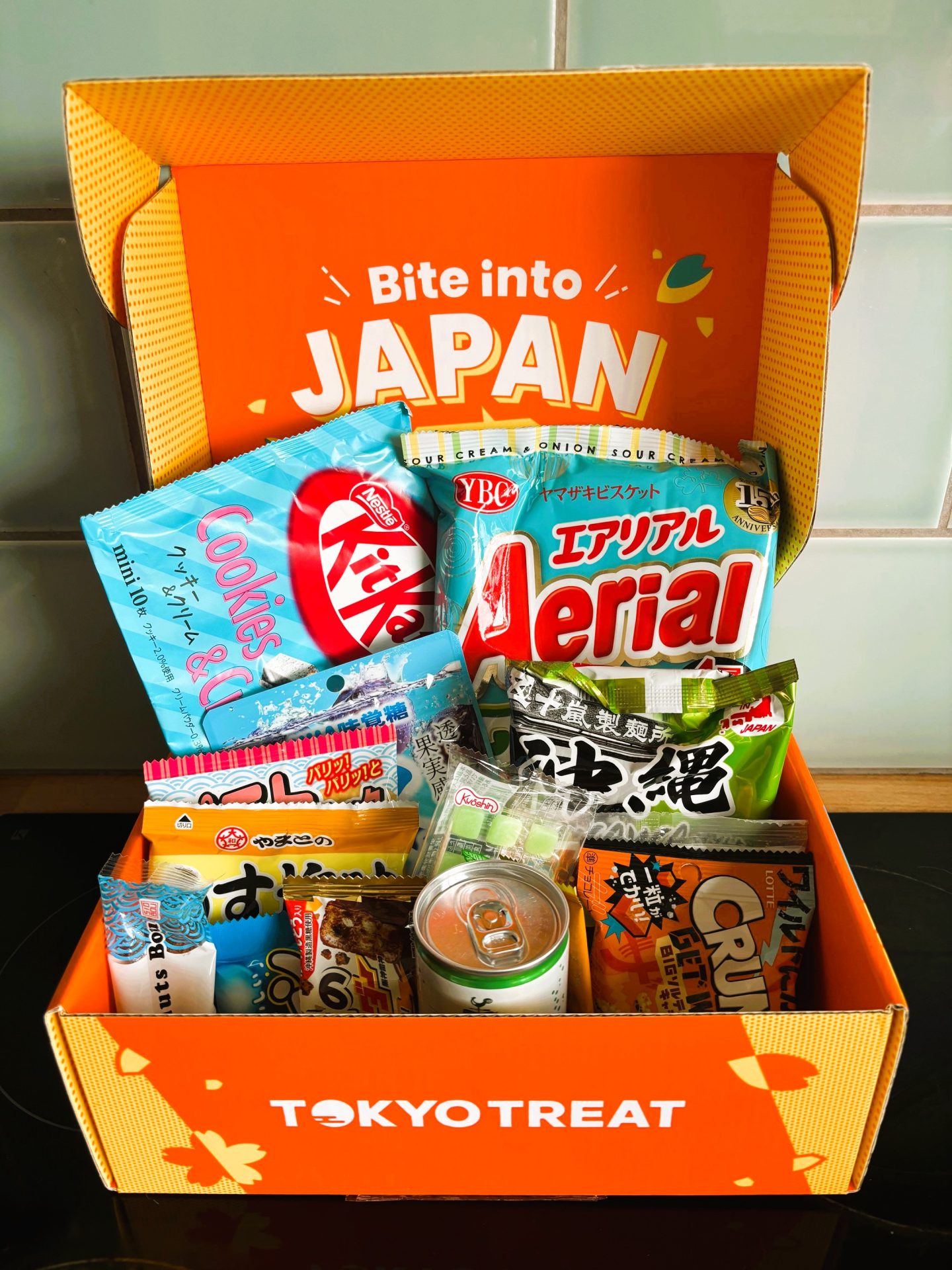
Buckle up, because we’re about to embark on a delectable journey through the whimsical world of Japanese snacks, courtesy of the fabulous TokyoTreat!

As a self-proclaimed snack aficionado, I’m always on the lookout for the next big thing in the munchies department. So, when I stumbled upon TokyoTreat, a subscription box service that delivers authentic Japanese snacks right to your doorstep, I knew I had to give it a try. Spoiler alert: It did not disappoint.

First of all, let’s talk about the sheer excitement of receiving a package from the other side of the globe. It’s like a mini Christmas morning every month! The box itself is a vibrant orange, covered in cute graphics that scream “open me immediately.” And who am I to resist?

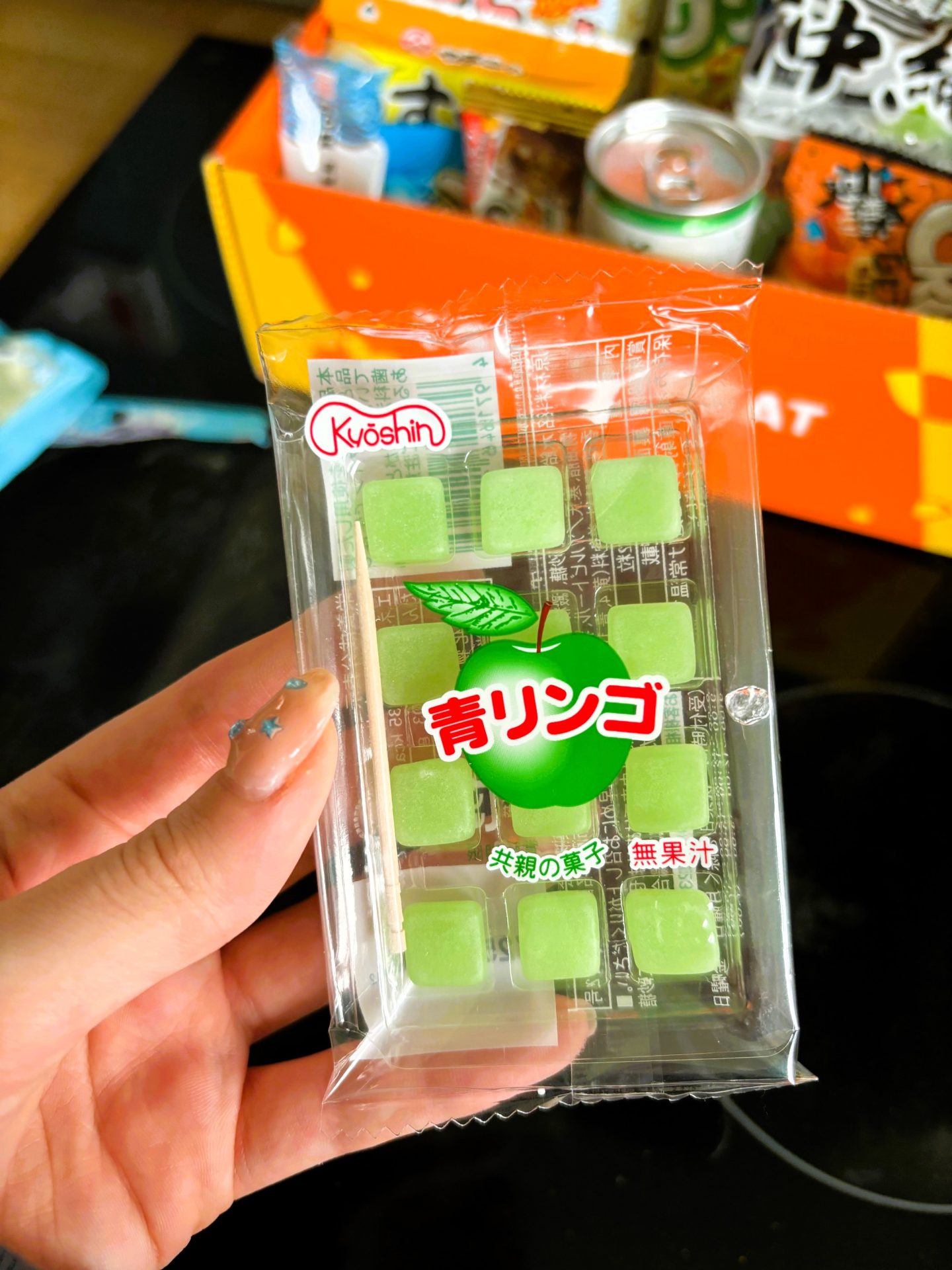
Inside, I found a treasure trove of Japanese candy that made my inner child do cartwheels. From the quirky and colourful to the downright bizarre, each piece was a delightful adventure. There were candies that fizzed, candies that popped, and candies that turned my tongue all sorts of neon colours. It’s like Willy Wonka’s chocolate factory but with a Japanese twist.

But TokyoTreat isn’t just about satisfying your sweet tooth. Oh no, my friends. The Japan snack box also includes an array of savoury snacks that are equally drool-worthy. Take the Shimi Choco Corn, for example. These star-shaped corn puffs are coated in a generous layer of chocolate, creating a crunchy, melt-in-your-mouth experience that’s dangerously addictive.

Then there’s the savoury Umaibo sticks, which come in flavours like corn potage and takoyaki (octopus ball). They’re the perfect mix of crunchy and umami, making them an ideal snack for those late-night Netflix binges.

One of the best things about the TokyoTreat subscription box is the element of surprise. Each month brings a new theme and a fresh batch of snacks to discover. It’s a delightful way to explore Japanese culture from the comfort of your couch (and yoga pants).

Plus, it’s not just about the food. The box often includes a handy booklet filled with fun facts about Japanese traditions, snack history, and even some basic language lessons. So, while I’m munching away on my matcha KitKats, I’m also learning how to say “delicious” in Japanese. Spoiler: It’s “oishii,” and it’s incredibly satisfying to say out loud.

If you’re a snack lover with a penchant for the exotic and unusual, TokyoTreat is a must-try. It’s a fun, flavourful escape from the mundane, and it brings a little slice of Japan right to your doorstep. Whether you’re into Japanese candy, savoury snacks, or just love the thrill of a subscription box, TokyoTreat has something for everyone.

So, what are you waiting for? Treat yourself to a TokyoTreat box and join me in snack heaven. Your taste buds (and your inner child) will thank you.

Follow:

best countries for wine

There’s something inherently luxurious about sipping on a glass of fine wine. Whether you’re unwinding after a long day at work or celebrating a special occasion, wine has a way of elevating the moment. But what if I told you there’s a new trend in town that’s revolutionizing the way we experience wine? Enter the world of the self serve wine dispenser.

What Exactly Are Self-Serve Wine Dispensers?

Imagine walking into a sleek, modern wine bar where rows of gleaming wine dispensers line the walls. These innovative machines allow you to sample and pour your own wine with just the touch of a button. Gone are the days of waiting for a bartender to pour your next glass or feeling pressured to commit to a full bottle. With self-serve wine dispensers, you’re in control of your tasting experience.

How Do They Work?

Self-serve wine dispensers operate on a simple yet sophisticated system. Each machine is equipped with multiple wine bottles, typically preserved with inert gases to maintain freshness. Customers are provided with a prepaid card or wristband loaded with credits, which they can use to access the dispenser. Once you’ve loaded your card, you can select your desired wine, choose your pour size, and watch as the machine fills your glass with precision.

The Benefits of Self-Serve Wine Dispensers

Variety: One of the greatest perks of self-serve wine dispensers is the ability to sample a wide range of wines without committing to a full bottle. Whether you’re a seasoned wine connoisseur or a curious novice, you can explore different varietals, regions, and vintages at your own pace.

Flexibility: Say goodbye to rigid pour sizes and predetermined tasting flights. With self-serve wine dispensers, you have the flexibility to pour as much or as little as you like. Want just a taste? No problem. Craving a full glass? Go for it. The choice is yours.

Freshness: Traditional wine by-the-glass programs often struggle with maintaining the freshness of opened bottles. Self-serve wine dispensers solve this problem by preserving each bottle with inert gases, such as argon or nitrogen, which create a barrier between the wine and oxygen. This ensures that every pour is as fresh and flavorful as the first.

Empowerment: There’s a sense of empowerment that comes with being able to pour your own wine. You’re no longer reliant on a bartender or server to dictate your tasting experience. Instead, you have the freedom to explore, experiment, and discover new favorites on your own terms.

Where Can You Find Self-Serve Wine Dispensers?

While self-serve wine dispensers are still relatively new to the scene, they’re quickly gaining popularity in wine bars, restaurants, and tasting rooms around the world. In urban hubs like New York City and San Francisco, you’ll find trendy wine bars boasting impressive selections of self-serve options. Likewise, wine-centric destinations like Napa Valley and Bordeaux are embracing this innovative technology as a way to enhance the tasting experience for visitors.

Tips for Navigating the Self-Serve Wine Dispenser Experience

  1. Start with a Clean Palate: Before diving into your tasting adventure, be sure to cleanse your palate with a sip of water. This will help reset your taste buds and ensure that you can fully appreciate each wine you sample.
  2. Pace Yourself: With so many tempting options at your fingertips, it can be easy to overindulge. Pace yourself and savor each pour, taking the time to appreciate the unique characteristics of each wine.
  3. Experiment: Don’t be afraid to step outside of your comfort zone and try something new. Self-serve wine dispensers offer the perfect opportunity to explore different grape varietals, regions, and winemaking styles.
  4. Ask for Recommendations: If you’re feeling overwhelmed by the selection, don’t hesitate to ask for recommendations from the staff. They’re there to help guide you through the tasting process and can offer valuable insights based on your preferences.
  5. Take Notes: Keep track of your favorite wines by taking notes on their flavor profiles, aromas, and any other distinguishing characteristics. This will help you remember what you enjoyed and inform future purchasing decisions.

The Social Aspect: Bringing People Together

One of the most delightful aspects of enjoying wine is the social element it brings to gatherings. Self-serve wine dispensers amplify this experience by encouraging interaction and conversation among patrons. Picture a group of friends gathered around a dispenser, each exploring different wines and sharing their thoughts and preferences. It’s a fantastic way to bond over a shared love of wine and discover new favorites together. Whether you’re catching up with old friends or making new ones, self-serve wine dispensers provide the perfect backdrop for memorable moments and meaningful connections.

Environmental Impact: Reducing Waste, One Pour at a Time

In addition to offering convenience and variety, self-serve wine dispensers also contribute to sustainability efforts within the wine industry. By eliminating the need for single-serve bottles or by-the-glass pours, these systems help reduce waste and minimize the environmental footprint associated with traditional wine service. Furthermore, the use of inert gases to preserve opened bottles helps extend the shelf life of wine, reducing the likelihood of spoilage and further minimizing waste. For eco-conscious wine enthusiasts, self-serve wine dispensers offer a guilt-free way to indulge in their favorite beverage while doing their part to protect the planet.

The Evolution of Wine Culture: Embracing Innovation

Self-serve wine dispensers are more than just a novelty – they’re a reflection of the evolving wine culture and consumer preferences. As technology continues to advance, consumers are seeking out new and innovative ways to engage with wine, whether through online tastings, virtual vineyard tours, or interactive tasting experiences. Self-serve wine dispensers embody this spirit of innovation by offering a modern, user-friendly approach to wine tasting that appeals to a wide range of consumers. Whether you’re a tech-savvy millennial or a seasoned oenophile, these dispensers provide a fresh and exciting way to explore the world of wine and deepen your appreciation for this timeless beverage.

The Future of Wine Tasting

As technology continues to evolve, so too will the world of wine tasting. Self-serve wine dispensers represent just one example of how innovation is shaping the way we experience and appreciate wine. Whether you’re a seasoned aficionado or a curious newcomer, these modern marvels offer a fun, interactive, and accessible way to indulge in the finer things in life. So why wait? Grab a glass, press that button, and embark on your own wine tasting adventure today. Cheers!

Follow:

Feature in association with Fulmer Honey

There is a bit in a Winnie-the-Pooh story that I’ve always loved. It’s in the story called ‘In which Pooh goes visiting and gets into a tight place’, where Pooh goes to visit Rabbit, somewhat against Rabbit’s better judgment.

‘Pooh always liked a little something at eleven o’clock in the morning, and he was very glad to see Rabbit getting out the plates and mugs; and when Rabbit said, “Honey or condensed milk with your bread?” he was so excited that he said, “Both,” and then, so as not to seem greedy, he added, “But don’t worry about the bread.”

Pooh does then get stuck in Rabbit’s front door trying to leave, and they have to leave him there in the hole until he ‘gets thin again’, but generally I admire this approach to life and his love of honey. Honey is not only delicious, but it has all kinds of natural health benefits. Pooh was ahead of his time.

Winne-the-Pooh honey

It was the first thing I thought about when I was introduced to Fulmer. The Fulmer honey story is a lovely one. Their maternal great-grandfather, Gyorgy Fulmer, founded his apiary in 1929 with just a few bee families and some years later, their grandfather, Ferenc Takács, also started making honey. In 1959, Ferenc married Gyorgy’s daughter Maria, and one big happy bee family was created.

With nearly 100 years of beekeeping experience, the fourth generation of Fulmers is now at the helm and Fulmer now not only make their own honey but also source honey from specially chosen beekeepers around the world, selling it to 30 countries.

Quality and sustainability are the key drivers behind the Fulmer ethos, along with huge respect for bees. The bees go about their business, collecting nectar and adding their own special ingredients and flower aromas, and the result is a range of quality honey including chestnut honey, holly cream honey, maple cream honey and so much more.

As much as I love honey just with condensed milk and bread (bread optional) I wanted to do these special honeys justice. I decided to create a couple of honey cocktails.

Fig and honey martini

When I was thinking up flavour combinations, things that honey go especially well with, figs were top of my list. That and goat’s cheese, but that didn’t feel like it would be awesome in a cocktail. (Although remember when I made black olive, honey and feta ice cream?) Fig and honey though? Yum.

For my fig and honey martini, I used the James Bond of the Fulmer honey range – the Siaagn-Torecila Honey from their Limited Selection range. These honeys are unique and rare. They are dependent on very specific environmental and weather conditions and so can hardly ever be produced. This one blends the flavours of the cultivated fields of the French Pyrenees wild Spanish lavender. The result is delicious.

fig and honey martini

To make my martini I kept things simple to let the honey shine. I added a large handful of ice to a cocktail shaker along with two halved, ripe figs, a spoonful of honey and vodka. Shake it hard to mix everything well – let the ice do the work here of mushing the figs and blending the honey.

The result is a very simple, elegant martini that I’m sure Rabbit could have done with after having Winne-the-Pooh’s legs in his burrow for a week.

honey and fig martini

The Fulmer hot toddy with Fulmer honey lollipops

For this one I wanted to take a fun twist on a classic. It’s definitely hot toddy season, and everyone knows that lemon and honey is medicinal, but I didn’t want to make any old boring hot toddy. I wanted to make something that you could bring out at a Christmas party and everyone would go ‘Oooooh!’

I decided to make honey lollipops.

I’ve never made lollipops before and was also slightly held back by the fact that my sugar thermometer had stopped working, but I went for it. Literally all I did was heat some Fulmer forest honey until it was just about at the point where I thought I was going to burn it, and then I poured it into lollipop moulds. There is definitely a specific temperature that gets the honey to the point where it can set hard, so do check this – I think I got lucky.

(Note: Heating the honey takes away some of the health benefits, so while the lollies are fun, make sure you include the forest honey in its natural form in your diet too as it has a lot of minerals and a high iron content.)

honey lollipops

Once the honey lollipops have had time to set hard, it’s time to make your hot toddy. I used spiced rum for mine because as much as I try, I can’t like whiskey. I poured a large shot of rum into a nice chunky glass, added a thick slice of lemon and topped it up with boiling water.

Pop your lollies out of their moulds and hand them out to your festive friends along with the rum hot toddies. Sit back and lap up the praise.

honey lollipop

The honey lollies can then be stirred into the hot toddies – the honey slowly melts into the drink, or you can mix it up with a dunk and lick manoeuvre if you want to get a good dose of honey flavour. Fulmer’s forest honey is a naturally darker honey with a rich aroma, so once it has dissolved into your drink it gives it a lovely warm colour and flavour.

Two very different types of honey for two very different cocktails, but both delicious. I feel like if Winnie-the-Pooh had Fulmer honey with his condensed milk, he’d be a very happy bear indeed.

honey hot toddy

Follow: