
In the ever-evolving world of interior design, choosing the right tile for your bathroom can significantly impact the space’s overall aesthetic and functionality. Subway tiles and mosaic tiles are two popular choices that cater to modern design sensibilities. This article explores the characteristics of each tile type, the visual impact they create, and their suitability for contemporary bathroom designs. Whether you are a homeowner or an interior designer, understanding the nuances of these tiles can help in crafting a bathroom that aligns with your aesthetic goals. We will also guide you to some inspiring Bathroom Tile Ideas that resonate with current trends.
Subway Tile Characteristics and Aesthetic Appeal
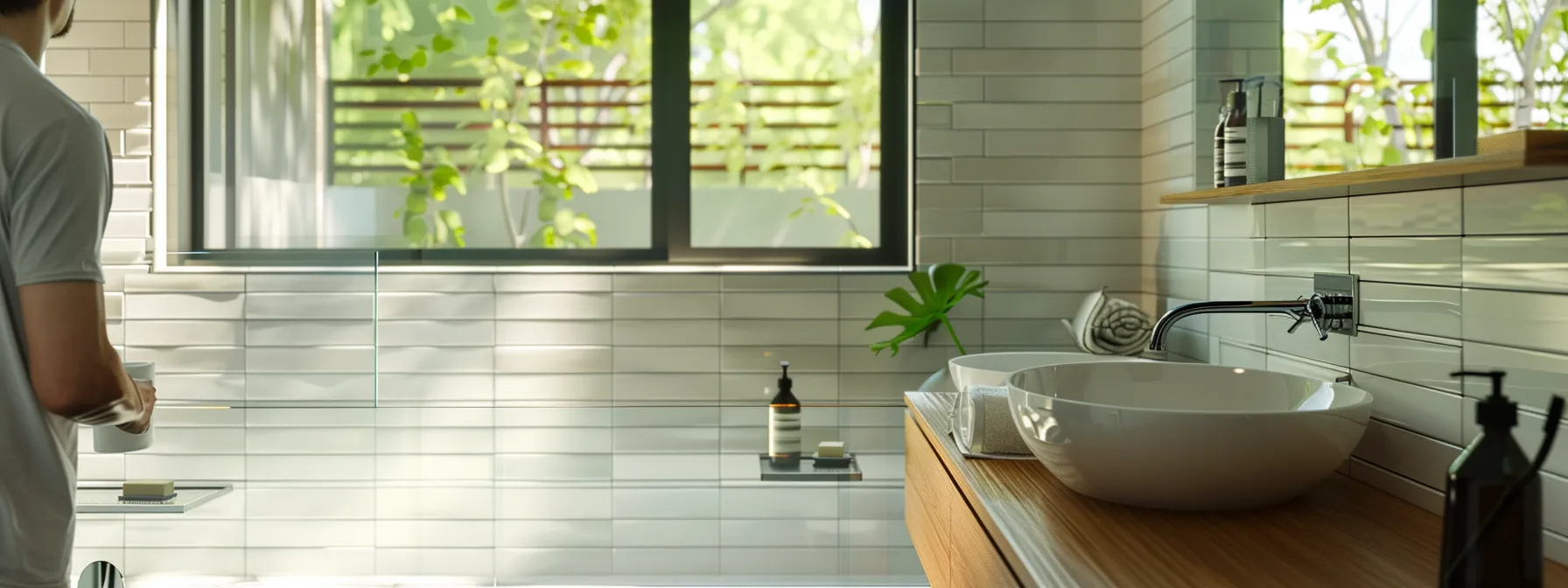
Subway tiles have been a staple in bathroom design for decades, known for their classic rectangular shape and glossy finish. These tiles originated in the early 1900s, primarily used in subway stations, hence the name. Their simplicity makes them a versatile choice for modern bathrooms. The clean lines of subway tiles can enhance the sense of space, a key principle in Space Planning, making them ideal for smaller bathrooms.
From a design perspective, subway tiles offer a timeless look that complements various styles, from minimalist to industrial. Interior designers often use CAD (Computer-Aided Design) Software to experiment with different layout patterns such as herringbone or vertical stacking, adding a unique touch to the bathroom’s aesthetic. Furthermore, subway tiles are often incorporated into mood boards to visualize how they blend with other elements like fixtures and custom millwork.
The aesthetic appeal of subway tiles can be enhanced through Color Theory Application, utilizing contrasting grout colors to create visual interest. This subtle yet impactful detail can elevate the bathroom’s aesthetic appeal index, making it a favored choice for contemporary homes.
Mosaic Tile Design Variations and Visual Impact
Mosaic tiles, with their intricate patterns and vibrant colors, offer a stark contrast to the understated elegance of subway tiles. These tiles are typically small and can be arranged into various designs, allowing for artistic expression and personalization. This flexibility makes them a favorite for creating feature walls or statement floors that draw the eye and add personality to the bathroom.
Incorporating mosaic tiles into bathroom designs can dramatically change the visual impact of the space. Designers often use schematic design principles to map out how mosaic patterns will interact with other bathroom elements. This careful planning ensures that the tiles enhance the room’s overall aesthetic without overwhelming it. Additionally, mosaic tiles can be used to create a focal point, guiding the viewer’s eye and adding depth to the design.
Mosaic tiles are also ideal for creating thematic designs that reflect personal tastes or cultural influences, thereby increasing the bathroom’s aesthetic appeal index. When combined with modern FF&E (Furniture, Fixtures, and Equipment), mosaic tiles can transform a simple bathroom into a luxurious and cohesive space.
Comparing Durability and Maintenance
Durability is a crucial consideration when selecting bathroom tiles. Subway tiles are typically made from ceramic or porcelain, materials known for their strength and longevity. They are resistant to moisture, stains, and scratches, making them a practical choice for high-traffic bathrooms. Maintenance is relatively straightforward, requiring only regular cleaning to maintain their glossy finish.
On the other hand, mosaic tiles, while visually stunning, can present maintenance challenges. The numerous grout lines between the small tiles can accumulate dirt and moisture, requiring more frequent cleaning to prevent mold growth. However, advancements in grout technology and sealants have improved the durability of mosaic tiles, making them more resilient to wear and tear.
When considering which tile type to use, it’s essential to weigh the maintenance demands against the desired aesthetic. For homeowners who prioritize ease of upkeep, subway tiles might be the preferred option. However, those willing to invest in regular maintenance for a more vibrant and personalized design can opt for mosaic tiles.
Choosing the Right Tile for Modern Bathroom Design
Deciding between subway and mosaic tiles ultimately depends on the desired look and function of the bathroom. For a sleek, modern aesthetic, subway tiles offer a clean and sophisticated foundation. Their versatility in layout and color allows them to fit seamlessly into any modern design theme.
Mosaic tiles, on the other hand, provide an opportunity to infuse the bathroom with color and creativity. Recent trends indicate a growing preference for bold patterns and vibrant accents in bathroom designs. When paired with contemporary fixtures and lighting, mosaic tiles can create a striking and memorable space.
Ultimately, the choice between these tiles should align with the overall vision for the bathroom. Incorporating scaled drawings and mood boards in the planning phase can help visualize how each tile type will interact with the room’s design elements.
Conclusion

Subway and mosaic tiles each bring unique qualities to modern bathroom designs. Subway tiles offer simplicity and ease of maintenance, while mosaic tiles provide dynamic visual impact and creative potential. By understanding the characteristics and implications of each, you can select the perfect tiles to enhance your bathroom’s modern aesthetic. Whether opting for the classic appeal of subway tiles or the artistic flair of mosaic tiles, the right choice will elevate your bathroom’s design, aligning with contemporary trends and personal tastes.